
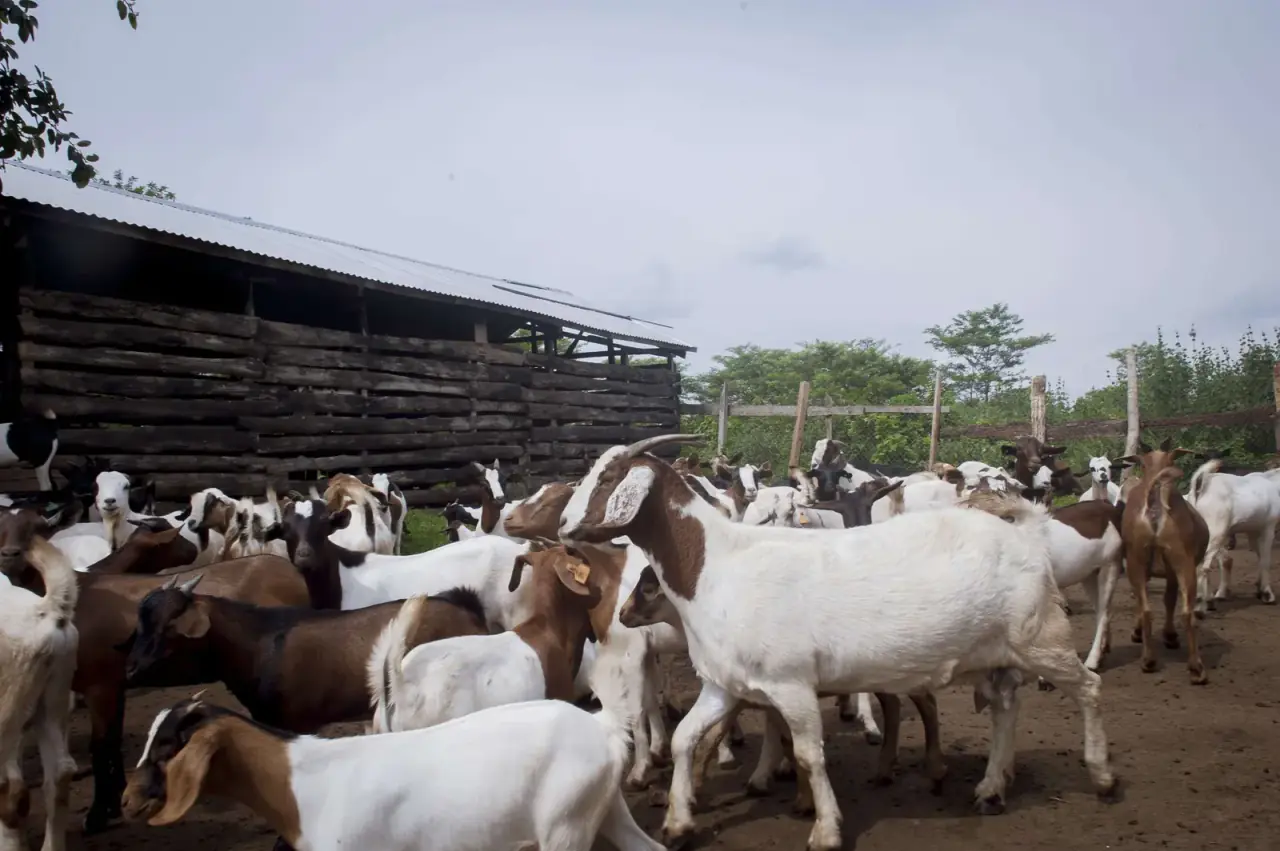
Mubende Meat Goats · Kyankwanzi Herd
Mubende meat goats, bred for the dry season.
Indigenous-breed advantages exotic crosses can’t match: natural disease resistance, prolific twinning, and the browse efficiency to hold condition when improved pasture disappears — supporting supply through cultural-event peaks and steady restaurant demand.
Why Mubende
The indigenous breed advantage
Disease-resistant
The indigenous Mubende carries natural East African disease tolerance, keeping veterinary costs lower than exotic breeds.
Prolific twinning
Mubende does commonly raise twins, giving more output per breeding female on the same land.
Thrives on browse
Browses shrubs, pods and crop residue — ideal for holding condition through the dry season.
The breeds
Goat Breeds at Nimukama Mixed Farm
Pure South African Boer goats for meat production crossed with indigenous Mubende goats for hardiness and disease resistance — breeding superior carcass weight for East Africa.
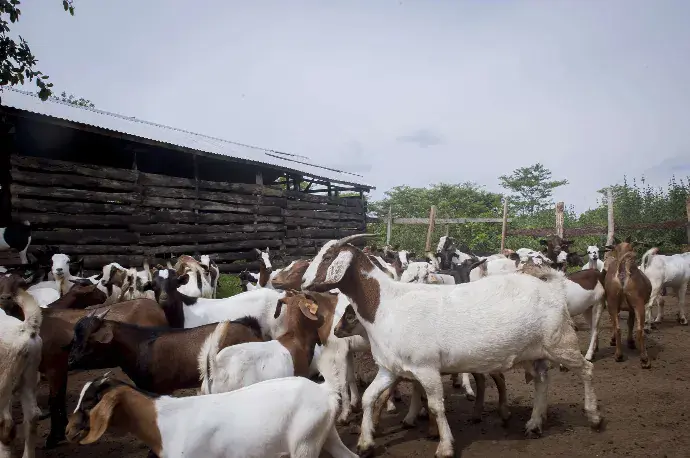
South African Boer Goats
The Benchmark Meat-Producing Goat
Characteristics of the SA Boer Goat
- Fast growing and high fertility rates
- High resistance to disease
- Does have superior mothering skills compared to other goats
- Adapt well to hot, dry, semi-dry climates
The South African Boer goat was developed in the early 1900s for meat production. Their name is derived from the Dutch word "Boer" meaning farmer and was probably used to distinguish the native goats from the Angora goats which were imported into South Africa during the 19th century.
The present-day Boer goat appeared in the early 1900s when ranchers in the Eastern Cape Province started selecting for a meat-type goat.
At Nimukama Mixed Farm pure bred Boer goats with ancestry lineage lines in South Africa have been bred with local Mubende goats that are indigenous to Central Uganda to produce crossbreeds. Our breeding program is driven by the need to produce goats with good carcass weight. The South African Boer Goat is widely recognized to be the yardstick against which meat producing goats across the world are measured.
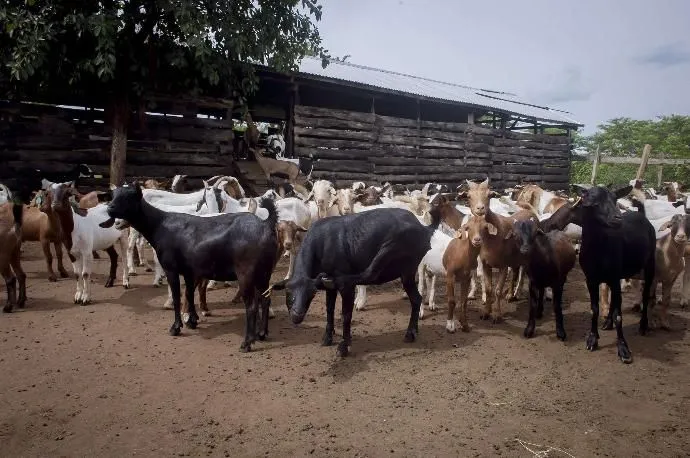
Mubende Goats
Uganda’s Indigenous Meat Goat
Average Live Weight Standards
Adult males (avg)
35.7 kg
Castrates (avg)
36.0 kg
Females (avg)
31.5 kg
Individual castrates
Up to 42.0 kg
Mubende goats are found mainly in the Central Uganda region, with a concentration in the Masaka area.
The color of this goat is predominantly black although a mixture of brown and black is not uncommon.
Average live weight for adult males is 35.7 kg, castrates 36.0 kg and females 31.5 kg. Individual male castrates may weigh up to 42.0 kg.
Available Stock
Current lot inventory
On the farm
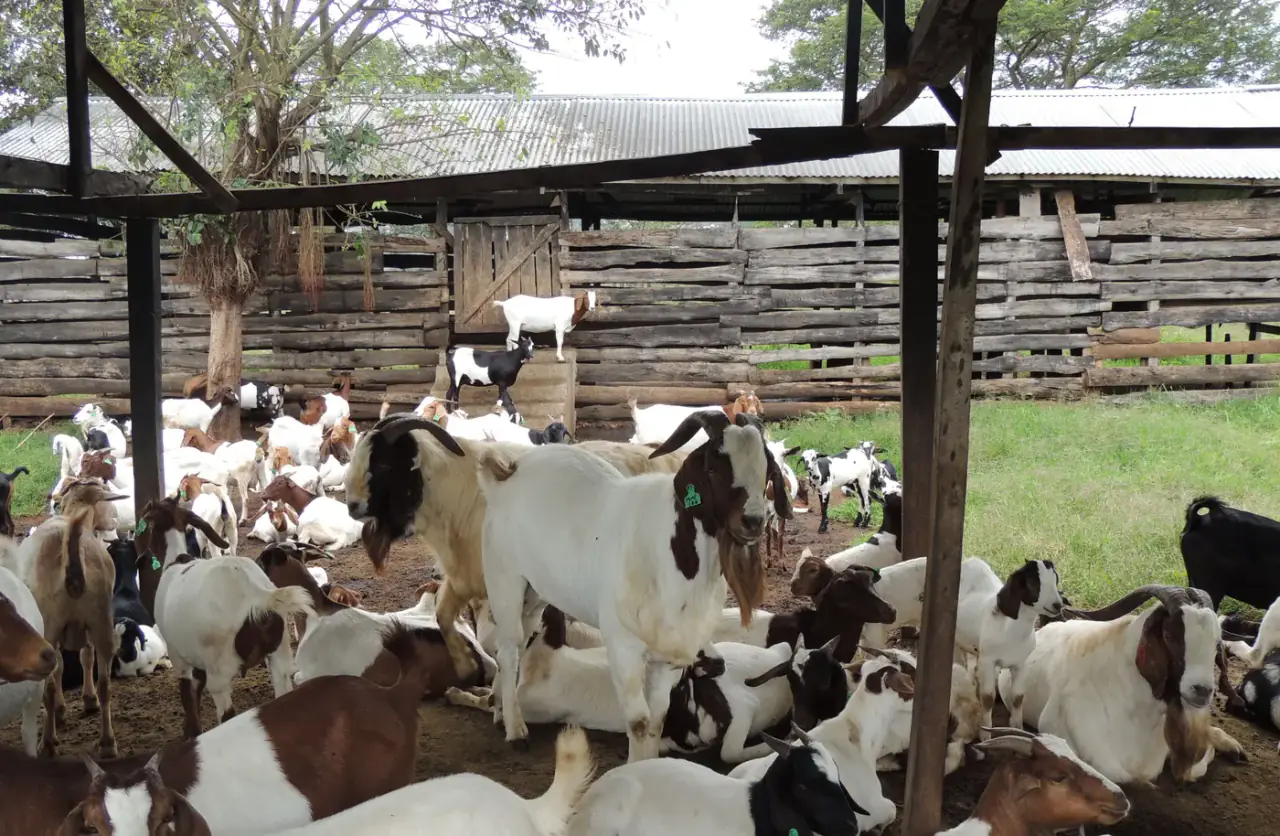
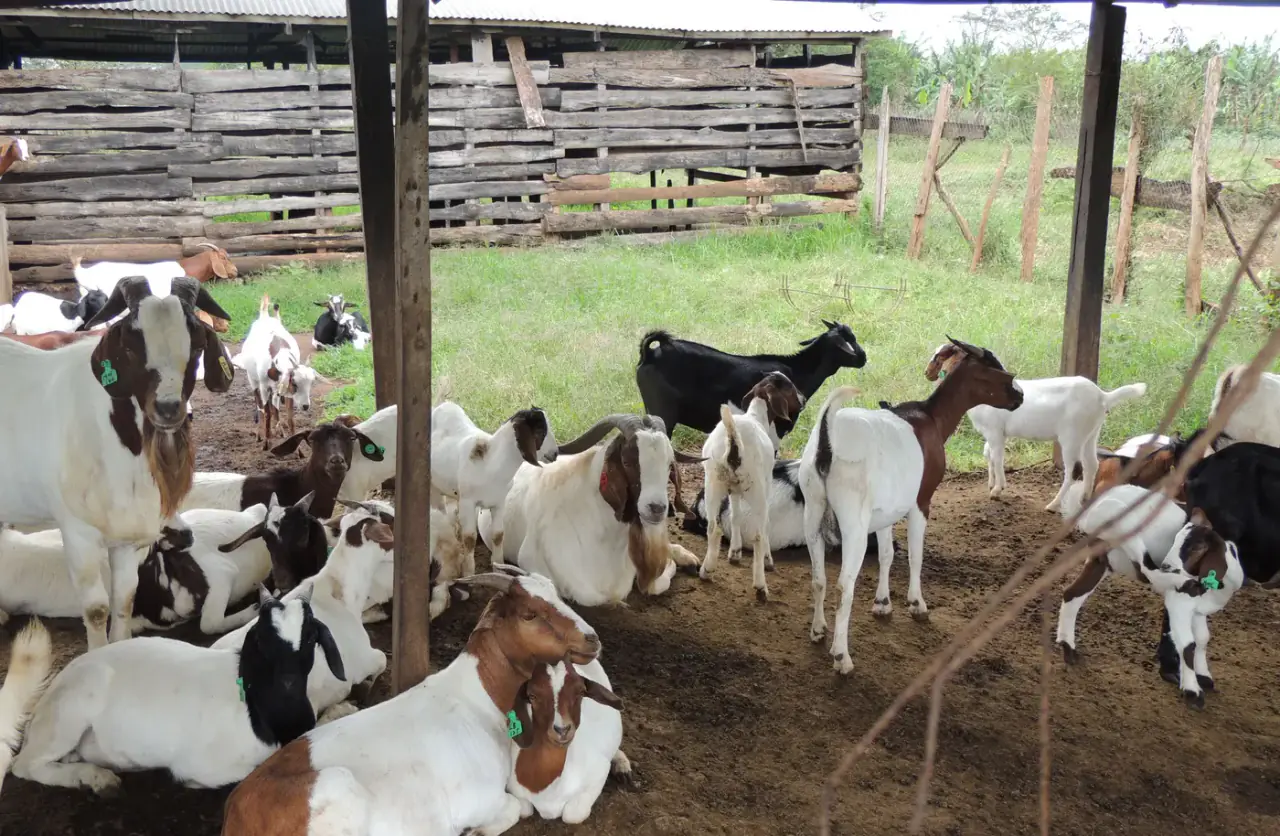
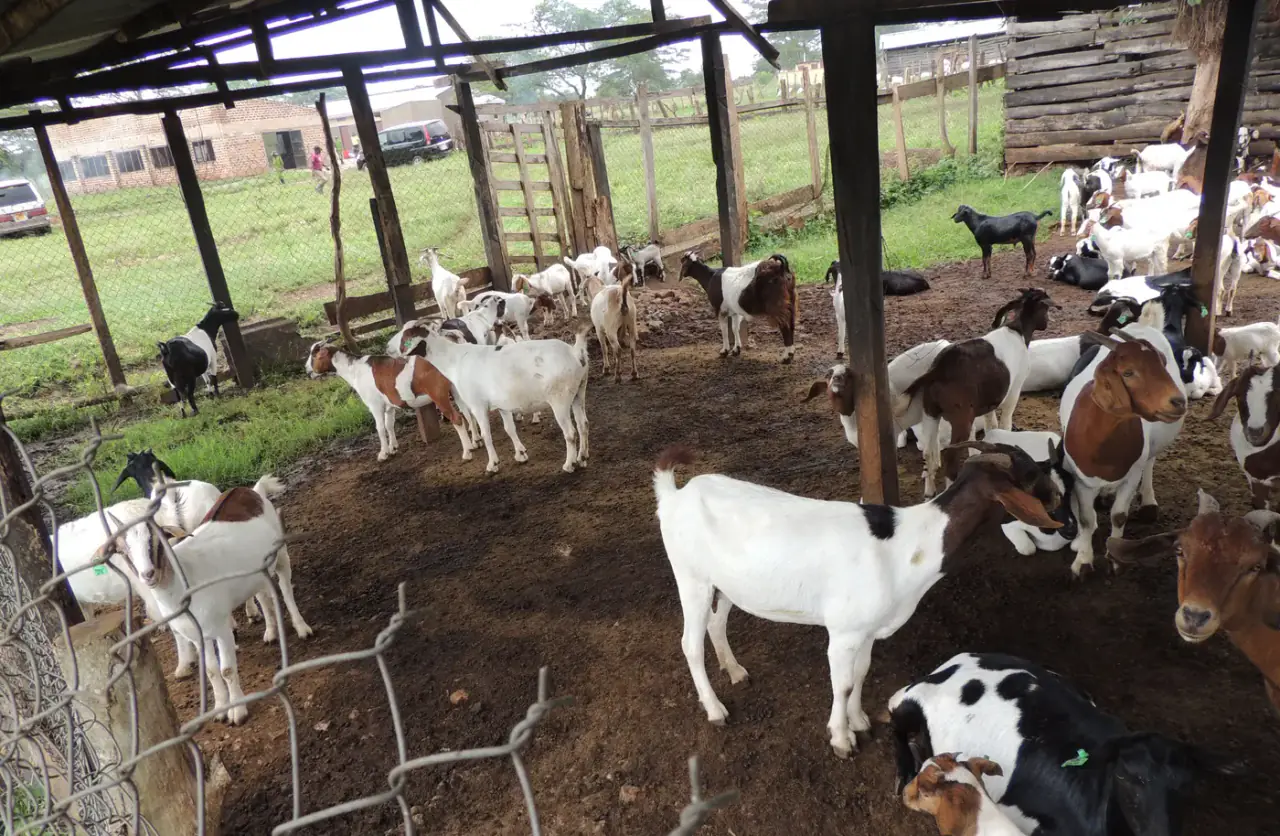
Our herd at Kyankwanzi
Boer and Mubende goats in the kraal at Kyankwanzi — browse-fed, separately housed, and handled by our own goat team.
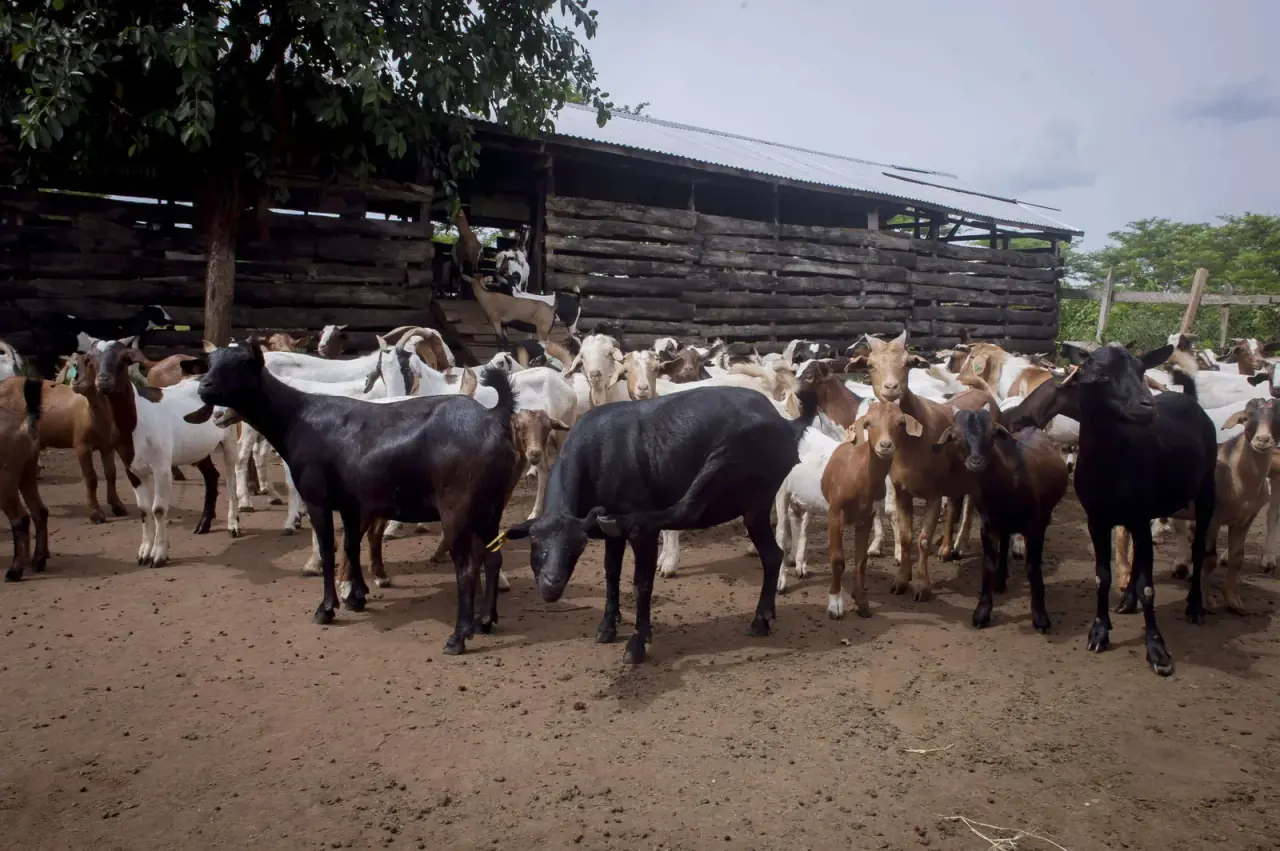
Handling Standards
Goat-appropriate handling
Separate housing
Goats are housed apart from cattle for lower stress, better condition and cleaner per-herd records.
Browse access
Managed browse lets goats use pods, shrubs and crop residue — lower feed cost, better condition.
Trained handlers
Low-stress, goat-specific handling that shows up in carcass quality.
Volume Pricing
Pricing scales with volume
Spot (single head)
1 head
Farm-gate or arranged delivery
Batch
Several head
Volume rate for confirmed batches
Monthly contract
Regular supply
Scheduled delivery for repeat buyers
Planning for Eid, Christmas or Independence Day?
Demand for goat meat peaks at cultural and religious events. Book advance lots to guarantee supply — event allocations go to confirmed buyers first.
Book well ahead
Book well ahead
Book well ahead
Delivery
Getting goats to your operation
Kampala metro
Covered-truck delivery can be arranged for confirmed orders, with hand-off at a certified abattoir.
Upcountry
Delivery to other regions is priced by distance — we’ll quote within a day of your enquiry.
Live-transport welfare
Covered trucks, adequate space per head, water en route, limited transit time per MAAIF guidance.
Sourcing for a restaurant group or distributor?
Talk to us about regular supply with scheduled delivery.
FAQ